

Summary
Who this article is for:
Homeowners, schools, churches, HOAs, and property managers installing or maintaining playground surfaces.
Key takeaways:
- Playground wood chips provide critical fall protection.
- Hardwood playground chips are durable, long-lasting, and cost-effective.
- Wood chips for playgrounds improve drainage and reduce mud buildup.
- Proper installation depth is essential for safety compliance.
- Bulk delivery and professional installation ensure even coverage and long-term performance.
What’s inside:
- Why playground wood chips are used
- Safety and shock absorption benefits
- Hardwood playground chips vs. other surfacing options
- Recommended depth guidelines
- Maintenance best practices
- Frequently asked questions
Have you ever wondered why playgrounds almost always have wood chips under the equipment instead of grass or concrete?
The answer comes down to one word: safety.
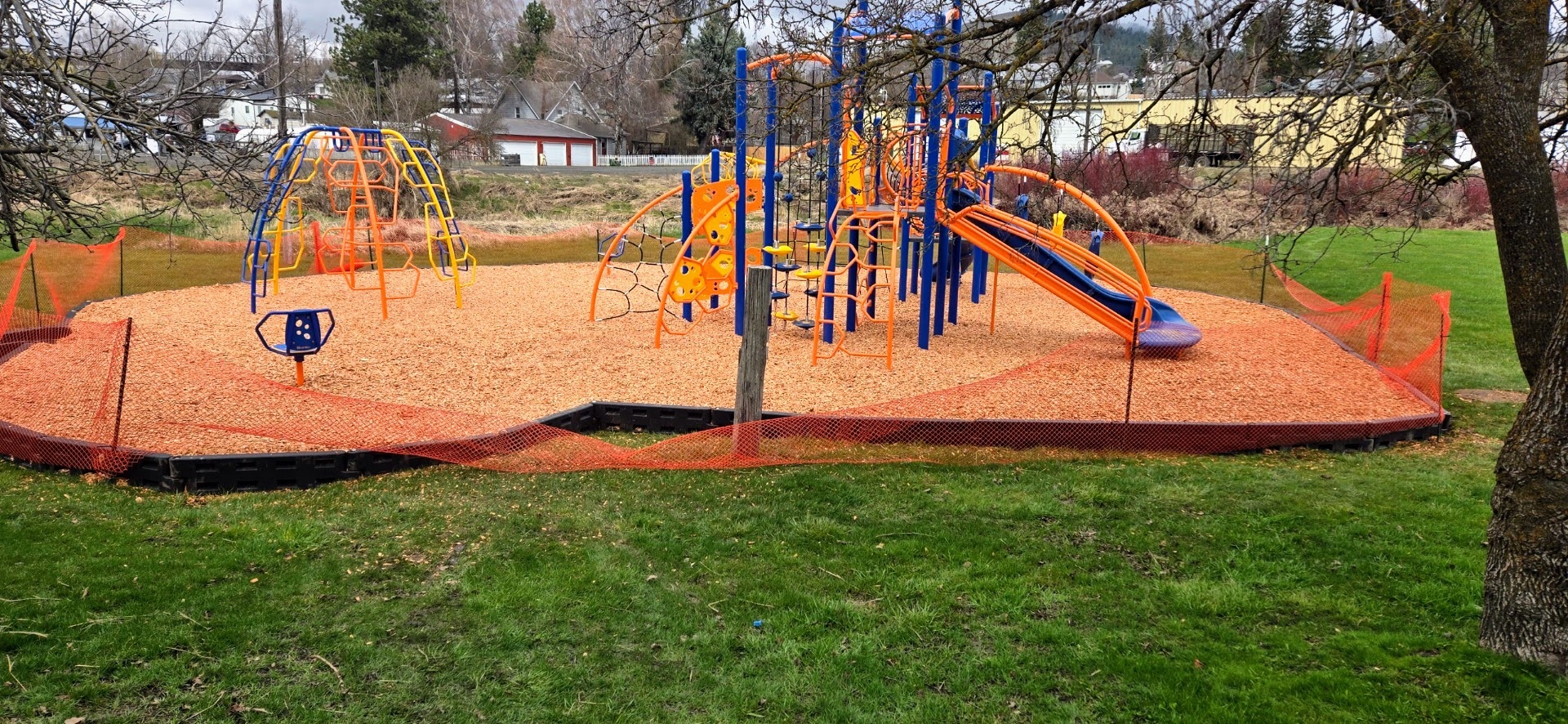
Playground wood chips are one of the most widely used playground surfacing materials in the United States because they provide reliable fall protection, strong drainage, and cost-effective coverage for both residential and commercial projects.
If you’re considering wood chips for playground use, here’s what you need to know.
Why Are Playground Wood Chips Used?
Children fall, it’s part of how they play and grow. Whether from swings, slides, or climbing structures, impact absorption is critical to reducing injury risk.
That’s the primary reason playground wood chips are used: they create a cushioned surface that helps soften landings.
Unlike grass or dirt, which quickly become compacted and hard, playground chips remain loose and shock-absorbing. This makes them a preferred safety surface for:
- Schools
- Daycares
- Parks
- Churches
- HOAs
- Backyard play areas
In addition to safety, wood chips for playgrounds are:
- Affordable compared to rubber surfacing
- Natural and environmentally friendly
- Easy to install and replenish
- Effective for drainage
That combination of performance and value is why they remain a top choice nationwide.
The Safety Benefits of Hardwood Playground Chips
Not all mulch is suitable for playgrounds. Hardwood playground chips are specifically processed for safety and durability.
1. Shock Absorption
Loose-fill playground chips shift under impact. This movement helps absorb energy from falls, reducing the force transferred to a child’s body.
When installed at the correct depth — typically 9 to 12 inches depending on equipment height, wood chips for playgrounds can provide significant fall height protection.
2. Reduced Injury Risk
Compared to compacted soil or grass, playground wood chips help:
- Reduce scraped knees and elbows
- Lower the risk of head injuries
- Provide consistent cushioning under play equipment
3. Improved Drainage
One major advantage of wood chips for playgrounds is their natural drainage capability.
Water flows through the material instead of pooling on top. This prevents:
- Muddy surfaces
- Standing water
- Slippery conditions
Playgrounds dry faster after rain, which means fewer closures and safer play conditions.
Hardwood Playground Chips vs. Regular Mulch
It’s important to understand that playground chips are not the same as decorative landscaping mulch.
Hardwood playground chips are:
- Screened for uniform sizing
- Processed to reduce sharp edges
- Designed to minimize splinters
- Durable under heavy foot traffic
Regular bark or landscaping mulch may contain larger chunks, inconsistent sizing, or debris that is not suitable for playground use.
If safety is the priority, and it should be, engineered or processed hardwood playground chips are the better option.
Playground Wood Chips vs. Rubber Mulch
Many property owners compare playground wood chips to rubber mulch before making a decision.
Here’s how they stack up:
Playground Wood Chips
- Lower upfront cost
- Natural appearance
- Cooler surface temperature in summer
- Excellent drainage
- Easy to replenish
Rubber Mulch
- Higher initial investment
- Can retain heat in direct sun
- Minimal decomposition
For many schools, HOAs, and homeowners, playground chips offer the best balance of affordability and performance.
How Deep Should Wood Chips for Playgrounds Be?
Depth is critical for safety.
General recommendations:
- For equipment up to 8 feet high: 9–12 inches of compacted material
- Higher fall heights may require deeper coverage
- Always follow manufacturer and local safety guidelines
Over time, playground chips will settle and naturally break down. That’s why annual inspections are important to ensure proper depth is maintained.
If the material becomes too thin, especially under swings and slide exits, fall protection decreases.
Installation Makes a Difference
Even the highest-quality playground wood chips won’t perform properly if installed unevenly.
Professional installation helps ensure:
- Consistent depth across the entire play area
- Even distribution under high-impact zones
- Efficient placement for large playgrounds
- Reduced labor and disruption
For schools, parks, and commercial properties, blown-in bark or chip installation can provide faster, more uniform coverage than manual spreading.
Maintenance Tips for Long-Term Safety
To keep playground chips performing at their best:
- Rake regularly to redistribute displaced material.
- Check high-traffic areas for thinning.
- Top off annually as needed.
- Remove debris such as trash or foreign objects.
Routine maintenance keeps your playground surface safe, clean, and visually appealing.
Key Benefits of Playground Wood Chips
To summarize, playground wood chips are used because they provide:
- Reliable fall protection
- Affordable surfacing for large areas
- Natural appearance
- Excellent drainage
- Cooler surface temperatures
- Easy long-term maintenance
- Safe performance when properly installed
For both residential backyards and large commercial properties, hardwood playground chips remain one of the most practical surfacing solutions available.
Ready to Install Playground Wood Chips?
If you’re planning a new playground or refreshing an existing one, choosing high-quality wood chips for playground use is essential for safety and durability.
Advanced Bark supplies premium hardwood playground chips in bulk and offers efficient installation options to ensure proper depth and even coverage.
Whether you’re a homeowner upgrading a backyard play area or a property manager maintaining a commercial playground, having the right material, installed correctly, makes all the difference.
Contact Advanced Bark today to schedule delivery or installation and create a safer, cleaner playground surface.
Frequently Asked Questions About Playground Wood Chips
1. Why are wood chips used in playgrounds instead of grass?
Grass does not provide adequate fall protection. Playground wood chips cushion impact and reduce injury risk.
2. Are hardwood playground chips safe?
Yes. When properly processed and installed at the correct depth, hardwood playground chips provide reliable shock absorption.
3. How often should playground chips be replaced?
They should be inspected annually and topped off as needed to maintain proper depth.
4. Do wood chips for playgrounds attract insects?
Properly maintained playground chips typically do not attract pests. Good drainage and airflow help prevent issues.
5. Can playground wood chips get moldy?
With adequate drainage and routine maintenance, mold growth is uncommon.
6. How much do playground wood chips cost?
Costs vary based on volume and delivery needs, but they are generally more affordable than rubber surfacing.
7. Can I install playground chips myself?
Yes, but achieving even depth across large areas can be labor-intensive. Professional installation ensures consistent coverage.
8. Are playground chips environmentally friendly?
Yes. Hardwood playground chips are a natural, biodegradable material.


